

Relieves Pain
Removing a severely damaged or infected tooth ends the pain it causes and prevents further discomfort down the road.
Accepting New Patients
Dealing with a severely damaged, decayed, or crowded tooth? Sometimes removing it is the best way to protect your oral health. Dr. Zhang and our team prioritize your comfort with gentle, compassionate care during tooth extraction in Fullerton, CA.
10,000+
Procedures Performed
Same-Day
Emergency Care
Most PPO
Plans Accepted

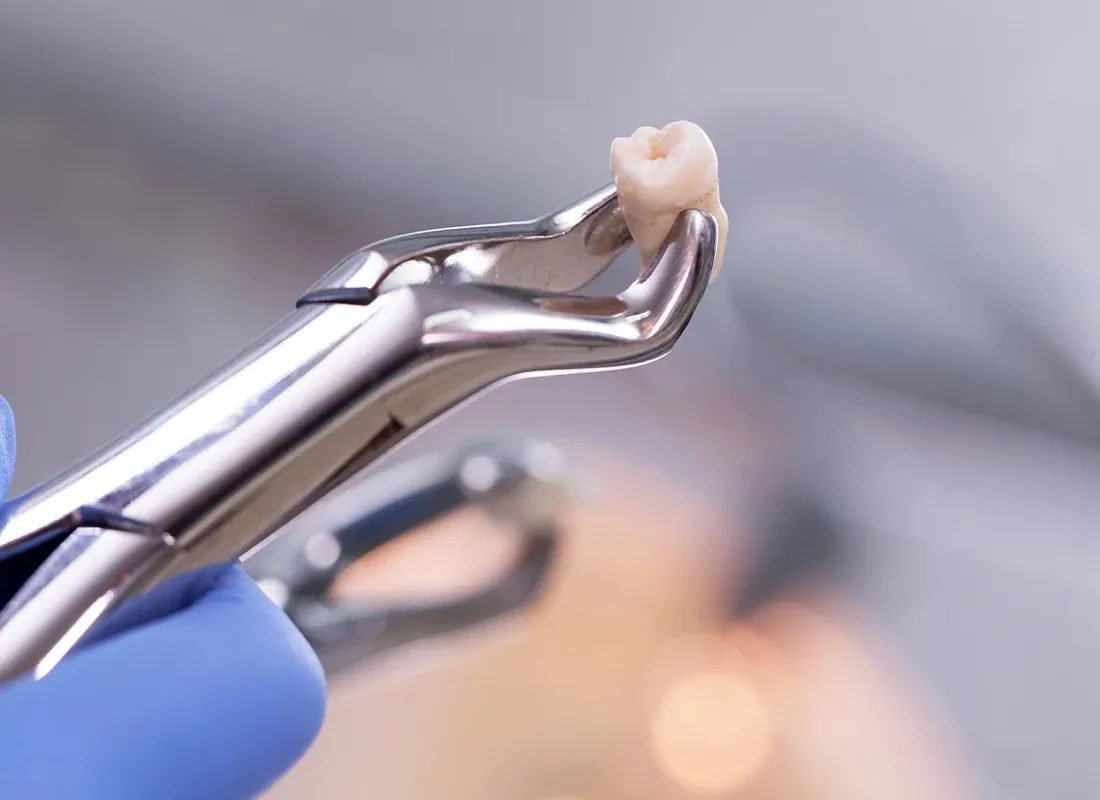
A tooth extraction is the careful removal of a tooth from its socket in the jawbone. It becomes necessary when a tooth is too damaged or decayed to save, when crowding needs to be addressed, or when a tooth threatens your oral health. Using advanced imaging and gentle techniques, Dr. Zhang makes the process as smooth and comfortable as possible.
Removing a severely damaged or infected tooth ends the pain it causes and prevents further discomfort down the road.
Extracting a problem tooth prevents infection from spreading to nearby teeth, gums, and the rest of your mouth.
Removing crowded or failing teeth makes room for healthy alignment and protects your remaining teeth.
An extraction often clears the way for a replacement option like an implant, bridge, or denture.
From your first exam to the final result, here's exactly what to expect — calm, clear, and never rushed.
Request an AppointmentDr. Zhang examines the tooth, often with a digital X-ray, and discusses your options so you know what to expect.
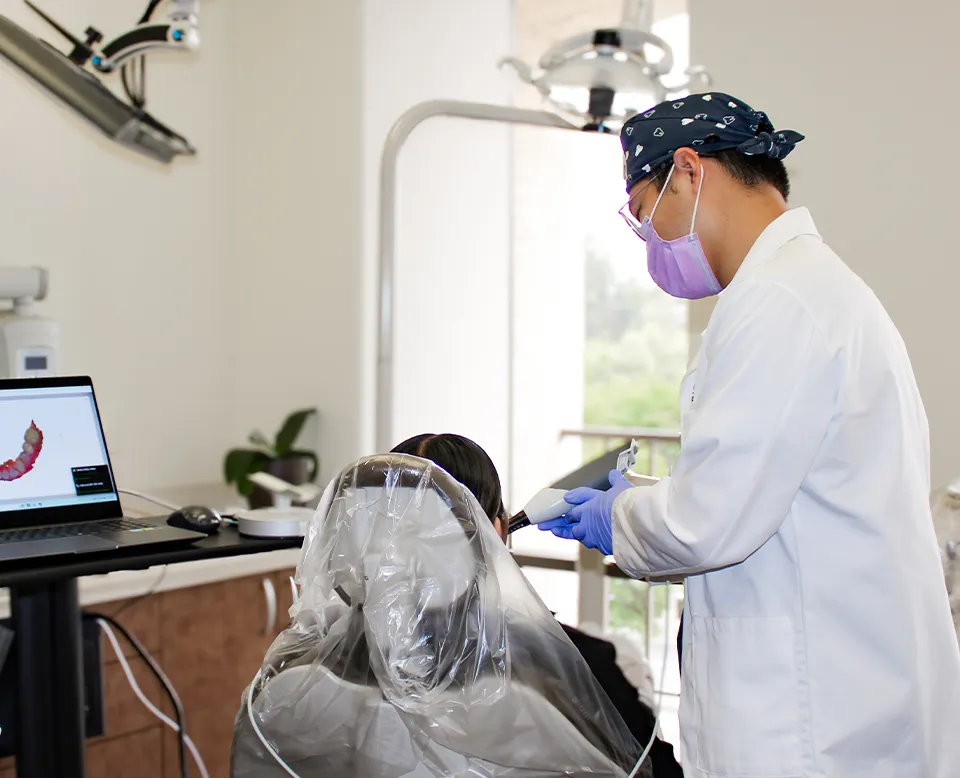
We numb the area with advanced anesthesia techniques, keeping you comfortable throughout the procedure.
Our skilled dentist removes the tooth with precision, minimizing discomfort and protecting the surrounding tissue.
We provide clear aftercare instructions and, when needed, discuss replacement options to protect your smile.
A tooth that is badly broken or decayed beyond repair often needs to be removed to protect your health.
Extraction may be part of orthodontic treatment when there is not enough room for teeth to align properly.
A tooth with a serious infection or abscess may need removal to keep the infection from spreading.
Wisdom teeth that cannot emerge properly often cause pain and crowding and may need to be removed.

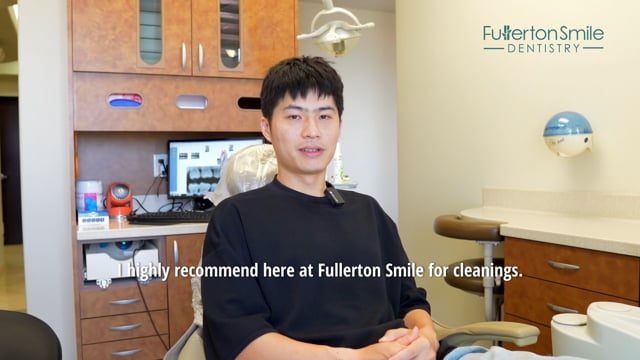
Our patients return year after year for calm, unhurried care and honest, personalized guidance.
We go above and beyond to make tooth extraction feel calm and effortless — pairing the latest technology with a gentle, unhurried approach designed entirely around you.
Here are just a few reasons our patients love us:
Don't see the answer you're looking for? Call us at (714) 526-4867.
We take every step to keep your extraction comfortable, numbing the area thoroughly so most patients feel little to no pain during the procedure. Some mild discomfort during recovery is normal and easy to manage.
For the first few days, stick to soft foods like soup, yogurt, and mashed potatoes, and avoid hard or chewy foods. As you heal, you can gradually return to your normal diet, following the aftercare instructions we provide.
Unless it is a wisdom tooth, replacing an extracted tooth is usually recommended. Leaving a gap can cause nearby teeth to shift over time. We will walk you through replacement options such as implants, bridges, and dentures.
Dry socket, or alveolar osteitis, is a painful complication that can occur after tooth extraction when the blood clot that normally protects the extraction site is dislodged or fails to form. It affects roughly 2-5% of extraction patients and is more common after surgical extractions or if you smoke, use certain medications, or don’t follow post-care instructions. Signs include severe pain starting 3-4 days after extraction, an empty-looking socket, and sometimes a foul odor. Following Fullerton Smile Dentistry’s aftercare guidelines—avoiding smoking, straws, strenuous activity, and rinsing vigorously for the first week—significantly reduces your risk of developing dry socket.
Timing matters when replacing an extracted tooth in Fullerton, CA. While the area needs time to heal initially—typically a week or two for initial healing, though complete bone remodeling takes several months—delaying replacement too long can complicate things. Significant bone loss may require bone grafting before placing an implant, and shifting teeth becomes harder to correct the longer you wait. Fullerton Smile Dentistry can advise you on the ideal timeline for your replacement option, whether that’s a dental implant, bridge, or denture, to achieve the best functional and aesthetic outcome.
Recovery from a tooth extraction happens in stages. The initial healing—where the socket closes over and early tissue forms—typically takes 7-10 days, and most patients feel back to normal within 1-2 weeks. However, complete bone healing underneath the gum can take several months. For the first few days, expect some swelling, bruising, and discomfort, which can be managed with ice, pain medication, and rest. Most people can return to light activities after a few days and normal exercise within a week or two. Fullerton Smile Dentistry provides detailed aftercare instructions to support smooth healing and minimize complications.
The cost of tooth extraction depends on a few factors, including the scope of your treatment plan and whether additional imaging or procedures are needed. During your visit, we'll walk you through a clear, itemized estimate before anything begins — no surprises. At Fullerton Smile Dentistry, we work closely with most insurance providers to maximize your benefits, and we offer flexible financing options and new patient specials to make quality care comfortable for every budget.
Gentle, comfortable care when a tooth needs to go. If a tooth is causing pain or threatening your oral health, prompt, careful extraction protects your smile. Dr. Zhang will make the process as comfortable as possible.
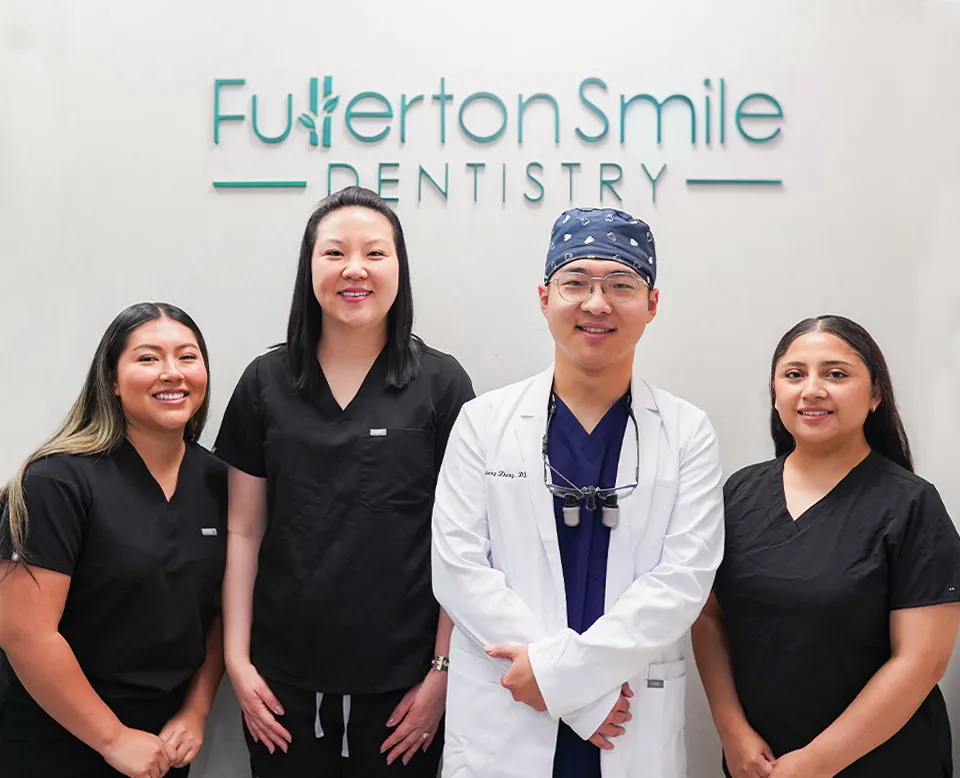 25+ Years of Care
Simple Extraction Removal of a tooth that is visible above the gumline.
Surgical Extraction Removal of a tooth that is impacted, broken below the gumline, or requires an incision in the gums.
Crowding To create space for orthodontic treatment.
Gum Disease When gum disease has loosened a tooth or damaged the supporting bone.
Impacted Tooth When a tooth (often a wisdom tooth) fails to erupt properly.
Infection When an infection has spread to the tooth pulp or surrounding tissues.
Severe Decay When a tooth is too damaged to be repaired with a filling or crown.
Trauma When a tooth is broken or fractured beyond repair.
Alveoplasty Smoothing and recontouring the jawbone after an extraction.
Anesthesia Medication used to numb the area and prevent pain during the extraction.
Elevation Using a dental instrument to loosen the tooth before removal.
Forceps Instruments used to grasp and remove the tooth.
Incision A cut made in the gums to access a tooth that is not fully erupted.
Sectioning Dividing a tooth into smaller pieces for easier removal.
Dry Socket A painful condition that can occur if the blood clot at the extraction site is dislodged.
Gauze Used to control bleeding after the extraction.
Ice Pack Applied to the face to reduce swelling and discomfort.
Pain Medication Prescribed or over-the-counter medication to manage pain.
Sutures (Stitches) Used to close the gums after a surgical extraction.
Alveolar Bone The bone that surrounds and supports the teeth.
Hematoma A collection of blood outside of a blood vessel.
Trismus Limited jaw opening or lockjaw.