

Stops Decay
A filling removes the damaged portion of the tooth and seals it, stopping decay before it spreads and causes more serious problems.
Accepting New Patients
Think you might have a cavity? A prompt filling stops decay in its tracks and restores your tooth before the problem grows. Dr. Zhang uses natural-looking, tooth-colored materials that blend right in, giving you gentle, effective care with dental fillings in Fullerton, CA.
10,000+
Procedures Performed
Same-Day
Emergency Care
Most PPO
Plans Accepted

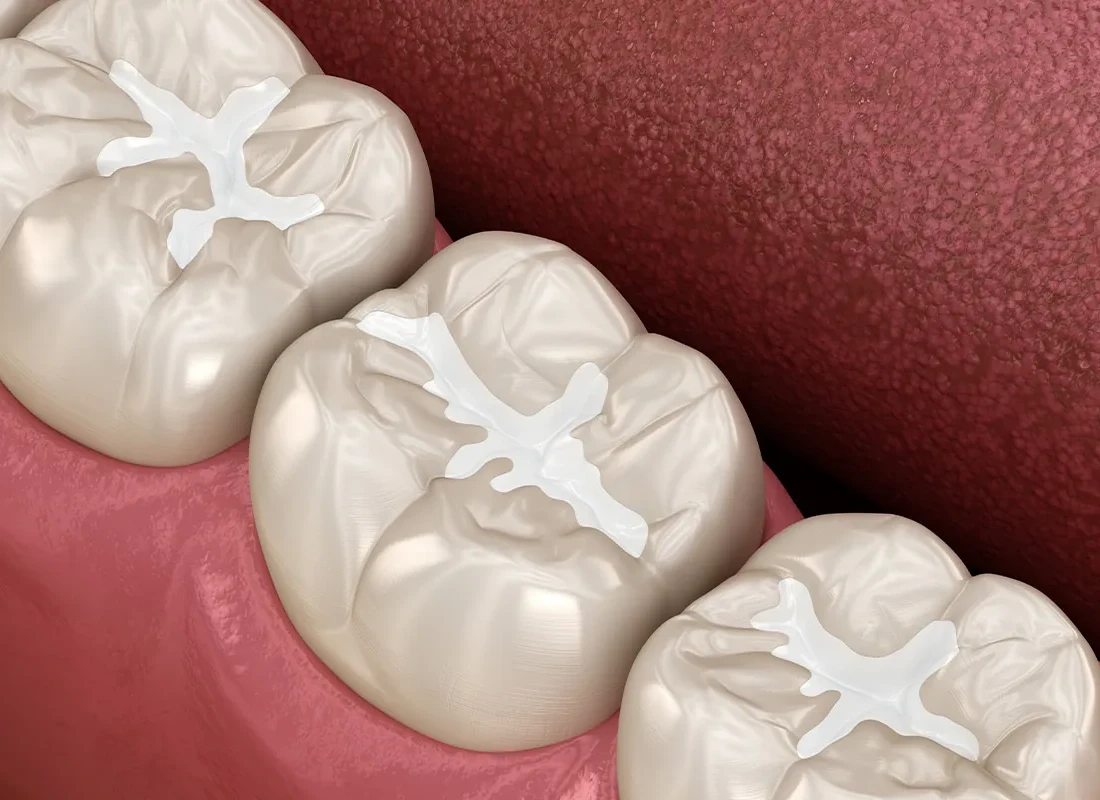
A dental filling repairs a tooth affected by a cavity or minor damage. Dr. Zhang removes the decayed portion, cleans the area, and fills it with a durable tooth-colored composite that restores the tooth's strength and shape. Because the material is matched to your natural teeth, the filling blends in beautifully, protecting your tooth while keeping your smile looking natural.
A filling removes the damaged portion of the tooth and seals it, stopping decay before it spreads and causes more serious problems.
Tooth-colored composite blends with your surrounding teeth, so your filling restores the tooth without changing the look of your smile.
Filling a cavity early protects the healthy structure that remains, often preventing the need for a crown or root canal later.
Most fillings are completed in a single, comfortable visit, restoring your tooth's strength and function right away.
From your first exam to the final result, here's exactly what to expect — calm, clear, and never rushed.
Request an AppointmentDr. Zhang examines your tooth, often with a digital X-ray, to determine the extent of the decay and the best treatment.
We numb the area so you stay comfortable, then carefully remove the decayed portion of the tooth.
We clean the space thoroughly to remove bacteria and debris, preparing the tooth for a secure, lasting filling.
We fill the prepared space with tooth-colored composite, shaping it to match your bite and blend with your natural tooth.
We polish the filling for a smooth, comfortable finish that feels and looks like a natural part of your smile.
You feel sensitivity or a twinge with hot, cold, or sweet foods, which can be an early sign of decay.
You notice a dark spot, hole, or pit on a tooth, a common sign that a cavity has formed and needs attention.
You have a persistent ache or pain in a tooth, which can signal decay that has reached deeper into the tooth.
You feel a rough edge, small chip, or a lost bit of an old filling that needs to be repaired.

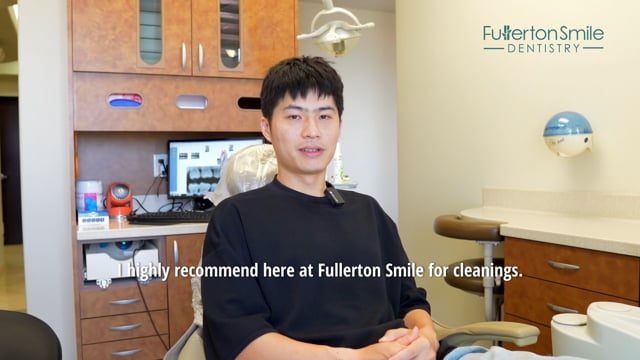
Our patients return year after year for calm, unhurried care and honest, personalized guidance.
We go above and beyond to make dental fillings feel calm and effortless — pairing the latest technology with a gentle, unhurried approach designed entirely around you.
Here are just a few reasons our patients love us:

Don't see the answer you're looking for? Call us at (714) 526-4867.
With good oral care, tooth-colored fillings can last many years. Their lifespan depends on the size of the filling and how well you care for your teeth, and we check your fillings at every routine visit.
No. We numb the area before treatment, so you should feel little to no discomfort during the procedure. Some mild sensitivity afterward is normal and usually fades within a day or two.
Tooth-colored composite fillings blend in with your natural teeth and bond directly to the tooth, which lets us preserve more of the healthy structure. Most patients prefer them for both their appearance and their conservative approach.
If you have older silver-colored amalgam fillings, you may be wondering whether to swap them for tooth-colored ones. In most cases, a metal filling that’s still intact and doing its job doesn’t need to be replaced. Replacement is usually recommended when a filling is cracked, worn, leaking, or has new decay forming around it—or simply if you’d prefer a more natural look. The team at Fullerton Smile Dentistry can evaluate your existing fillings and help you decide whether replacing them makes sense for you.
Some sensitivity after getting a filling is common and usually temporary. The tooth and nerve can be slightly irritated from the procedure, especially with deeper fillings, leading to brief sensitivity to hot, cold, or pressure. This typically settles within a few days to a couple of weeks. If your bite feels “high” or uneven, a quick adjustment can resolve it. Should sensitivity be sharp, worsen, or linger beyond a couple of weeks, reach out to Fullerton Smile Dentistry so we can take a closer look.
Yes, although it’s not especially common, a filling can loosen or fall out over time. This may happen due to new decay forming around it, normal wear, biting down on something hard, or the bond gradually weakening. If a filling comes out, save it if you can, avoid chewing on that side, and keep the area clean. Contact Fullerton Smile Dentistry promptly so the tooth can be repaired before bacteria reach the exposed area and cause further decay or sensitivity.
The cost of dental fillings depends on a few factors, including the scope of your treatment plan and whether additional imaging or procedures are needed. During your visit, we'll walk you through a clear, itemized estimate before anything begins — no surprises. At Fullerton Smile Dentistry, we work closely with most insurance providers to maximize your benefits, and we offer flexible financing options and new patient specials to make quality care comfortable for every budget.
Stop decay early with a simple, natural-looking filling. Treating a cavity now is quick, comfortable, and protects your tooth from bigger problems later. Dr. Zhang will restore your tooth with care and precision.
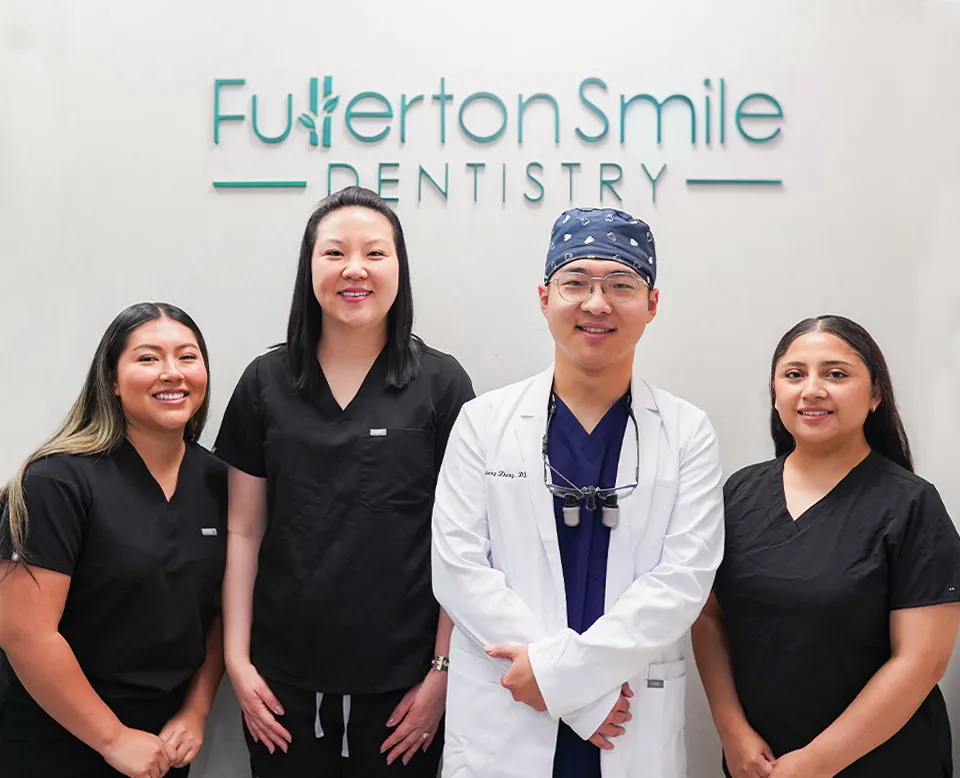 25+ Years of Care
Amalgam A silver-colored filling material that is strong and durable but contains mercury.
Composite Resin A tooth-colored filling material that blends in with your natural teeth.
Gold A highly durable and long-lasting filling material, but it is also the most expensive.
Porcelain (Inlays/Onlays) Custom-made, tooth-colored fillings used for larger cavities.
Cavity Preparation The process of removing decayed tooth structure before placing a filling.
Bonding The process of attaching a filling to the tooth structure.
Curing Light A special light used to harden composite resin fillings.
Etching Applying an acidic solution to prepare the tooth surface for bonding.
Finishing and Polishing Smoothing and shaping the filling to ensure a proper fit and bite.
Caries The technical term for tooth decay or cavities.
Cavity A hole in a tooth caused by decay.
Composite Bonding Using composite resin to repair chipped or cracked teeth.
Indirect Filling A filling that is made in a dental lab and then cemented onto the tooth (e.g., inlays, onlays).
Local Anesthesia Numbing medication used to prevent pain during dental procedures.
Plaque A sticky film of bacteria that constantly forms on teeth and contributes to tooth decay.
Radiopaque Appears white or light gray on an X-ray, indicating denser structures (like fillings).
Restoration A general term for any dental work used to restore the function or appearance of a tooth.
Temporary Filling A filling used to protect a tooth until a permanent filling can be placed.
Tooth Decay The process that occurs when bacteria in your mouth produce acids that eat away at the tooth enamel.