

Implant Success
A bone graft builds the strong foundation needed to support a dental implant, making lasting tooth replacement possible.
Accepting New Patients
Preparing for a dental implant but missing some jawbone? A bone graft rebuilds a strong foundation so your restoration can succeed. Dr. Zhang uses advanced techniques to restore lost bone and support lasting results with bone grafting in Fullerton, CA.
10,000+
Procedures Performed
Same-Day
Emergency Care
Most PPO
Plans Accepted
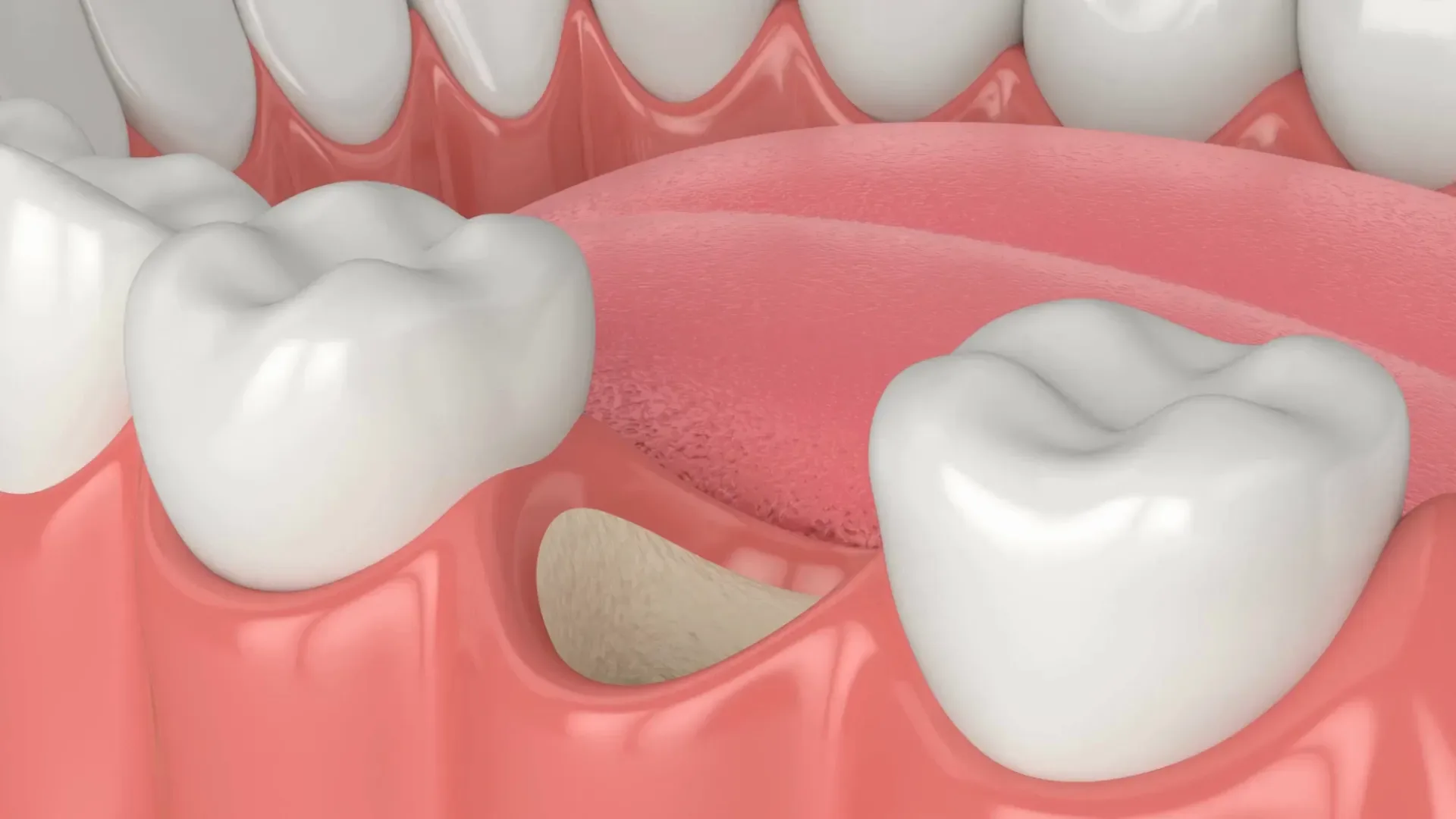
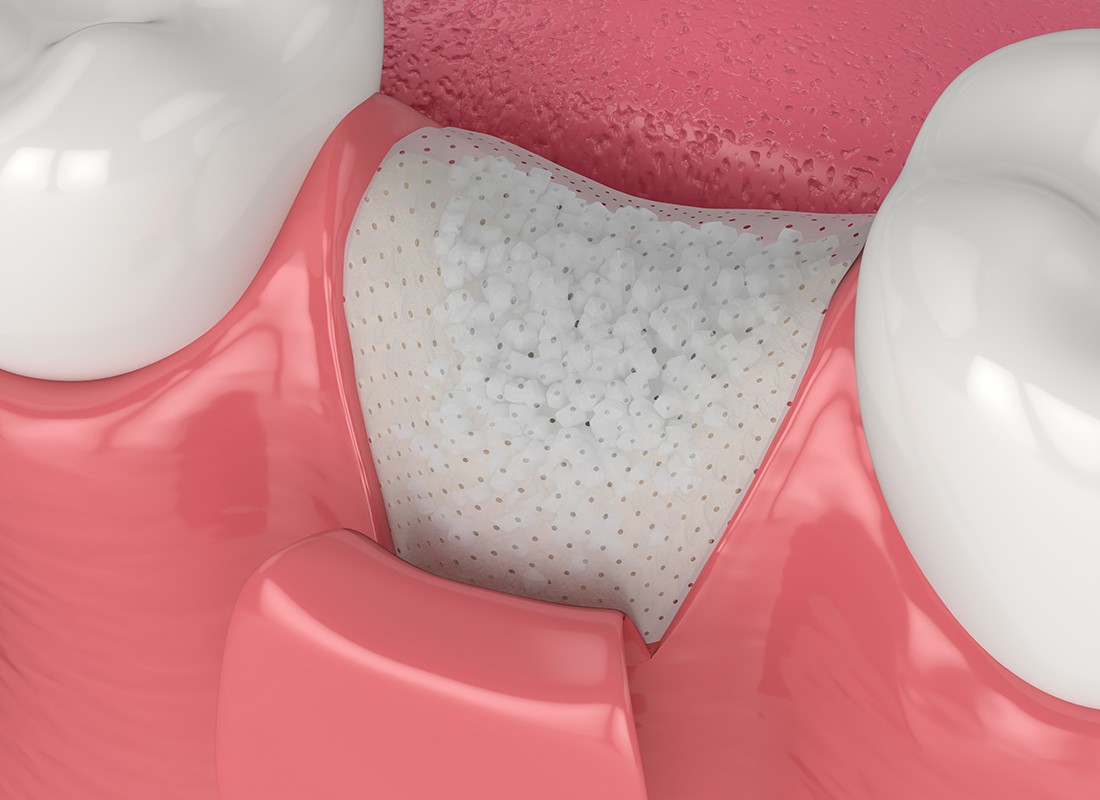
A dental bone graft is a procedure that adds or rebuilds bone in the jaw. It is often needed when there is not enough bone density or volume to support a dental implant, or when bone has been lost to gum disease, injury, or a missing tooth. Bone grafting strengthens the jaw and helps preserve your facial structure, creating a solid foundation for future restorations.
A bone graft builds the strong foundation needed to support a dental implant, making lasting tooth replacement possible.
Restoring lost bone helps maintain your facial contours, preventing the sunken look that can follow tooth loss.
Grafting prevents further bone loss and supports healthier gums, contributing to better overall oral health.
With proper care, a bone graft provides durable, long-term support for your smile and your restorations.
From your first exam to the final result, here's exactly what to expect — calm, clear, and never rushed.
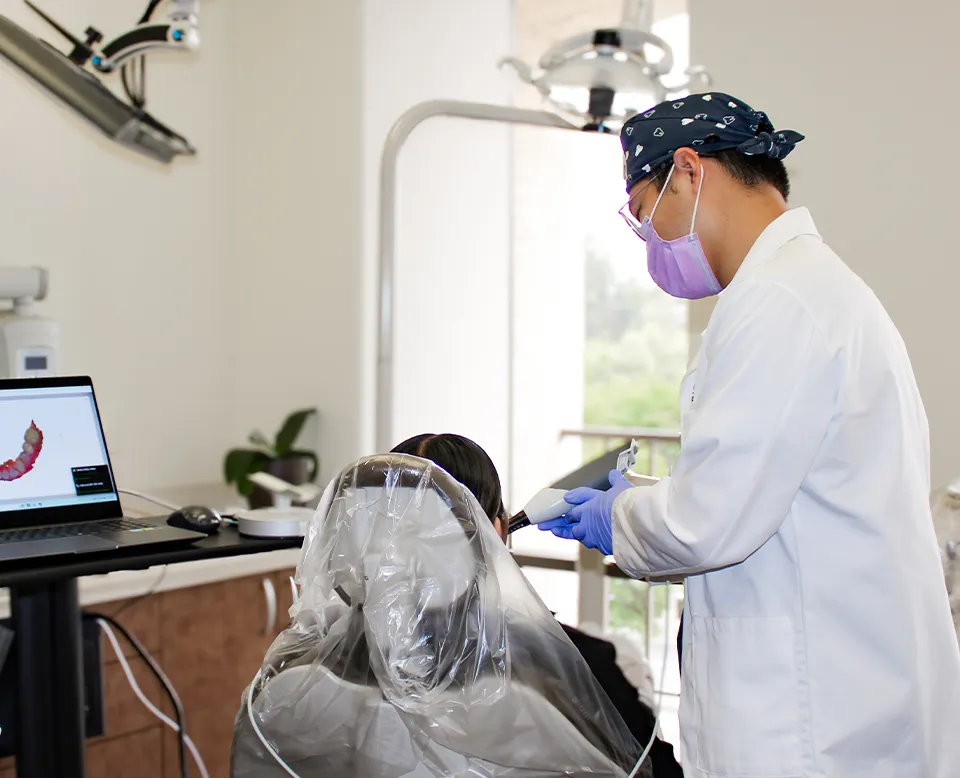
Request an AppointmentDr. Zhang uses digital imaging to assess your bone and plan the graft precisely around your needs.
We numb the area so you stay relaxed and comfortable throughout the procedure.
We place bone or bone-like material in the area that needs support, rebuilding the strength and volume of the jaw.
Over the following months, the graft integrates with your natural bone, creating a solid foundation for your restoration.
Your jaw needs more bone volume or density to securely support a dental implant.
A tooth has been missing for some time, and the surrounding bone has begun to shrink.
Advanced gum disease has damaged the bone that supports your teeth, and rebuilding it protects your oral health.
Trauma or a congenital defect has left an area of the jaw that needs to be restored.
Our patients return year after year for calm, unhurried care and honest, personalized guidance.
We go above and beyond to make bone grafting feel calm and effortless — pairing the latest technology with a gentle, unhurried approach designed entirely around you.
Here are just a few reasons our patients love us:
Don't see the answer you're looking for? Call us at (714) 526-4867.
No. We numb the area with local anesthesia, and sedation options are available for anxious patients. Some mild discomfort afterward is normal and typically easy to manage with over-the-counter pain medication.
The cost depends on the type of graft, the complexity of your case, and the materials needed. Our team will review pricing with you beforehand and discuss flexible payment options.
Healing time varies from patient to patient, but most bone grafts take about three to six months to fully integrate with your natural bone before an implant can be placed. Smaller grafts may heal faster, while larger ones or those in areas with significant bone loss can take longer. This waiting period is essential—it allows the graft to mature into a strong, stable foundation. Fullerton Smile Dentistry uses imaging to confirm the bone is ready before moving forward with your implant.
There are several types of bone grafts, and the right one depends on your needs. An autograft uses bone taken from your own body, while an allograft uses safely processed bone from a human donor. A xenograft uses bone from an animal source, typically bovine, and a synthetic graft (alloplast) uses biocompatible man-made material. Each option is carefully prepared and effective at stimulating new bone growth. Fullerton Smile Dentistry will recommend the type best suited to your situation, bone health, and treatment goals.
Eating the right foods after a graft protects the site and supports healing. For the first several days, stick to soft, cool foods like yogurt, smoothies (no straws), mashed potatoes, eggs, and lukewarm soups. Avoid hard, crunchy, chewy, spicy, or very hot foods that could disturb the graft, and try not to chew directly over the treated area. Steer clear of straws and tobacco, since suction and smoke can interfere with healing. Fullerton Smile Dentistry will give you specific dietary guidance for a smooth recovery.
Build a strong foundation for a healthy smile. Bone grafting makes lasting tooth replacement possible by rebuilding the jaw. Dr. Zhang will create a solid foundation for your future restoration.
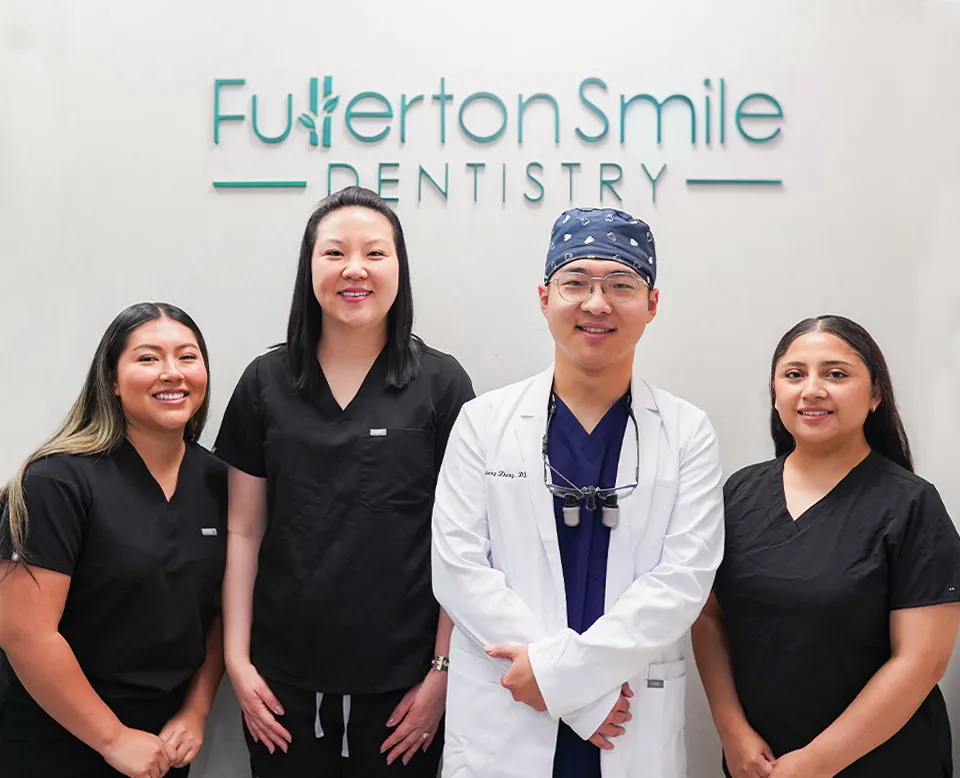 25+ Years of Care
Autograft Bone taken from your own body, often from the chin, hip, or tibia (shinbone).
Allograft Bone taken from a cadaver (deceased donor).
Xenograft Bone taken from an animal, usually a cow.
Alloplast Synthetic bone graft material made from calcium phosphate or other biocompatible materials.
Bone Grafting for Dental Implants: To create a stable foundation for dental implants when there is insufficient jawbone.
Periodontal Disease To regenerate bone lost due to gum disease.
Trauma or Injury To repair bone defects caused by facial injuries or fractures.
Cleft Lip and Palate To repair bone defects in the mouth caused by cleft lip and palate.
Sinus Lift To increase bone height in the upper jaw for implant placement.
Guided Bone Regeneration (GBR) Using a membrane to guide bone growth and prevent soft tissue from interfering with the graft.
Socket Preservation Placing bone graft material into a tooth socket after extraction to prevent bone loss.
Ridge Augmentation Increasing the width or height of the jawbone to support implants.
Block Graft Using a solid piece of bone to fill a larger defect.
Particulate Graft Using small particles of bone to fill smaller defects.
Biocompatibility The ability of a material to function in the body without causing harm.
Growth Factors Proteins that stimulate bone growth and healing.
Membrane A barrier used to protect the graft and guide bone regeneration.
Osseointegration The process by which bone fuses with an implant.
Resorption The breakdown and loss of bone tissue.