

How can you tell when those old silver fillings have outlived their usefulness? Most patients have a few amalgam fillings from childhood or early adulthood, and they have done their job well for decades without much fanfare. The question of whether to replace old metal fillings comes up more often now that tooth-colored options have become the standard for new restorations. Knowing what to watch for helps the decision feel less like a guess and more like a thoughtful choice based on the actual condition of your teeth.
Key Takeaways
-
Amalgam fillings can last 10 to 20 years or longer when properly maintained.
-
Cracks, leaks, decay, and visible wear are the most reliable reasons to replace a metal filling.
-
Tooth-colored fillings offer a more natural appearance and bond directly to the tooth.
-
Replacement is not automatically necessary just because a filling is old.
-
A routine dental exam is the most reliable way to evaluate the condition of older fillings.
Why This Question Is Coming Up More Often
Amalgam fillings, sometimes called silver fillings, were the standard for generations of dental care. They are durable, affordable, and have a track record stretching back more than a century. Many patients still have several of these fillings doing their job perfectly well, often in molars where the bite forces are strongest.
The conversation around them has shifted as tooth-colored fillings have become widely available. Modern composite materials look nearly identical to natural enamel, bond directly to the tooth, and remove the cosmetic concern that older metal fillings sometimes create. The question of whether to replace old metal fillings is no longer just about function. It is also about appearance, comfort, and personal preference.
Signs Your Old Filling May Need to Be Replaced
Several specific signs suggest that a metal filling has reached the end of its useful life:
- Visible cracks or chips: Hairline fractures in the filling or the surrounding tooth allow bacteria to reach deeper layers.
- Leaks around the edges: A small gap between the filling and the tooth can let in bacteria and lead to recurrent decay.
- New sensitivity: Sudden discomfort to hot, cold, or sweet foods can signal a problem beneath the filling.
- Discoloration of the surrounding tooth: A gray or dark cast around an old filling can suggest leaking metal or hidden decay.
- Worn-down chewing surface: Years of biting pressure can flatten an old filling and disrupt the way your teeth come together.
When Replacing Is Not Automatically Necessary
Not every old filling needs to come out simply because it is old. A metal filling that is intact, well sealed, and not causing any symptoms can often stay in place for years to come. Removing a functional restoration always involves some loss of natural tooth structure, which is one of the reasons dentists generally avoid replacing fillings unnecessarily.
Your dentist evaluates each filling individually during routine exams. X-rays show what is happening beneath the surface, while a careful visual inspection catches issues developing at the edges. The combination usually makes it clear which fillings are still doing their job and which ones are nearing the end of their useful life.
What Modern Tooth-Colored Fillings Offer
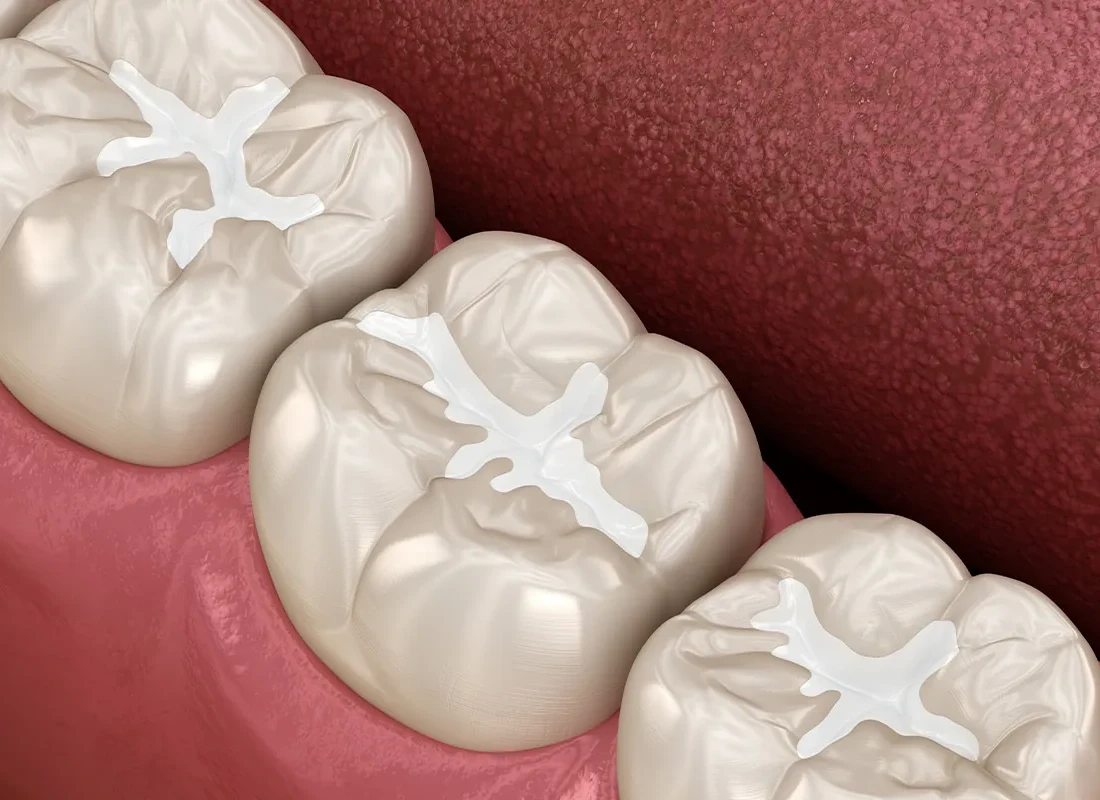
When replacement is the right call, tooth-colored fillings are the most common modern choice. The composite material is matched to your natural shade and bonded directly to the tooth, which strengthens the surrounding structure rather than simply filling the cavity. The result is a restoration that blends in completely with your natural enamel.
Tooth-colored fillings also tend to require less removal of healthy tooth structure during placement than amalgam fillings do. The bonding process allows for more conservative preparation, which means more of your original tooth stays intact. For visible teeth in the smile zone, the aesthetic improvement is often dramatic.
Making the Call That Is Right for You
The decision to replace old metal fillings is best made in partnership with a dentist who knows your specific situation. A filling that has served you well for 20 years may still have plenty of life left in it, while another from the same era may be quietly hiding problems beneath the surface. The right approach respects both possibilities rather than treating every old filling the same way.
If cosmetic concerns are part of the conversation, that matters too. Patients who feel self-conscious about visible metal in their smile often find that swapping in tooth-colored fillings produces a meaningful boost in confidence, even when the old fillings were technically still functional.
A Smart Path Forward
Old metal fillings are not necessarily a problem, but they also are not invincible. Regular evaluation, attention to symptoms, and an honest conversation with your dentist help you make a decision based on the actual condition of each filling rather than a one-size-fits-all rule. Patients who stay engaged with their dental care almost always end up with restorations that look great and continue working well for years to come.
- If you want to learn more about your filling options, visit our Dental Fillings in Fullerton, CA, page to schedule a consultation.