

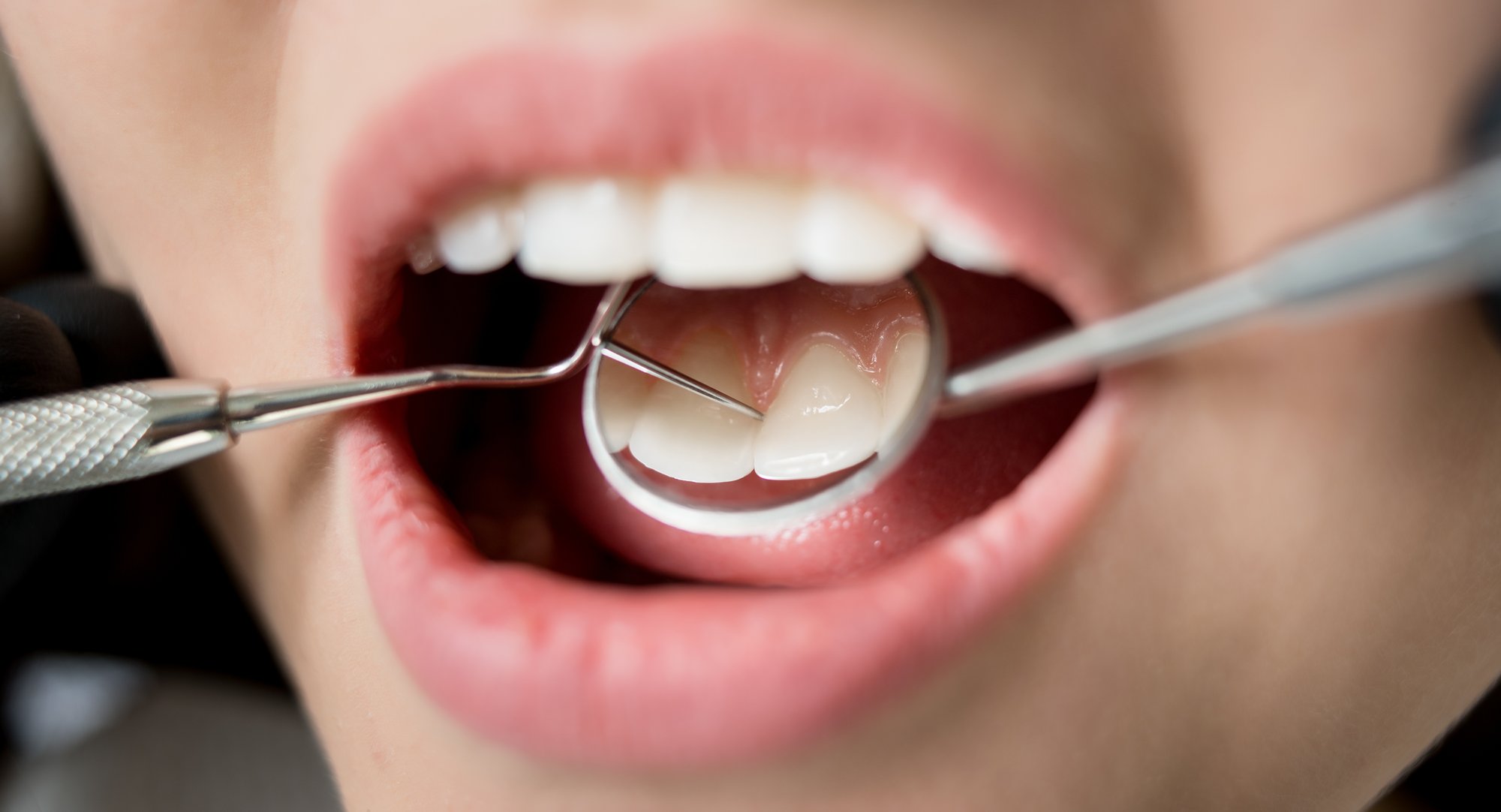
Receding gums become more common with age, but aging alone rarely causes them.
Noticed your teeth looking a little longer lately? It is common for gums to recede with age, though age by itself is seldom the real reason. Gum recession is when gum tissue shrinks away from the teeth and exposes the roots underneath. Regular dental exams help our team catch recession early and find what is actually driving it.
Key Takeaways
- Gum recession becomes more common with age, but aging is not the direct cause. Other factors are usually behind it.
- Common causes include gum disease, brushing too hard, and a buildup of plaque. Genetics can play a role too.
- Exposed roots often lead to sensitivity and a higher risk of decay. Teeth may also look longer than before.
- Gums cannot regrow once they pull back, so early care matters. Treatment can stop recession from getting worse.
- A dental exam pinpoints the cause and the right fix for your smile. Catching it early keeps the damage small, and the treatment simpler.
- Key Takeaways
- Is It Normal for Gums to Recede With Age?
- What Causes Gums to Recede?
- What Are the Warning Signs?
- Can Receding Gums Be Treated?
- Do Receding Gums Grow Back?
- Is Gum Recession Always Caused by Gum Disease?
- How Can I Prevent My Gums From Receding?
- Protect Your Gums as You Age
Is It Normal for Gums to Recede With Age?
Gum recession does show up more often as people get older. In fact, the Cleveland Clinic reports that about 88 percent of people over 65 have recession on at least one tooth. Still, that does not mean age itself is the cause. It is usually the result of years of wear, gum disease, or habits that add up over time.
Think of age as a risk factor rather than the culprit. The longer you have your teeth, the more chances there are for recession to start. Happily, much of it is preventable with the right care. Small daily changes often slow it to a crawl. Regular checkups keep it from sneaking up on you.
What Causes Gums to Recede?
Several things can pull your gums back from your teeth. Gum disease is the most common cause, since infection deteriorates the tissue and bone that support your teeth. Scrubbing too aggressively, or using a firm-bristled brush, wears the gumline down over the years. Plaque buildup, tobacco use, grinding, and even genetics can all add to the problem.
Because the causes overlap, more than one may be at work at once. That is why guessing at the reason rarely helps. A close look from our team sorts out what is really going on. Our dentist checks your gumline, your bite, and how you brush. That way the plan targets the true cause.
What Are the Warning Signs?
The most obvious sign is a tooth that suddenly looks longer than its neighbors. You might also feel new sensitivity to hot, cold, or sweet foods along the gumline. Some people notice tenderness or a small notch they can feel with the tongue. Residents from Brea to Placentia often come in once these signs appear.
Catching these clues early makes a real difference in treatment. Mild recession can often be managed with simple changes and monitoring. Putting it off can lead to bone loss and even loose teeth. Acting early usually keeps treatment simple and affordable.
Can Receding Gums Be Treated?
Once gum tissue pulls back, it will not return by itself. The encouraging news is that recession can be stopped and managed with the right plan. For mild cases, gentler brushing, professional cleanings, and desensitizing products often do the trick. More advanced cases may call for a gum graft to cover the exposed roots.
The right treatment depends entirely on the cause and how far things have gone. That is where a thorough exam earns its value. Our dental team builds a plan around your specific gums, not a one-size answer. Sometimes that means better brushing habits and monitoring. Other times it means a referral for a graft.
Do Receding Gums Grow Back?
No. Once gum tissue pulls away, it does not return on its own. Treatment can stop further recession and, in some cases, cover the exposed root. That is why acting at the first sign is worth the effort.
Is Gum Recession Always Caused by Gum Disease?
Usually, but not always. Gum disease is the most common cause, though hard brushing, genetics, and grinding can also be to blame. An exam finds the real reason and points to the right fix.
How Can I Prevent My Gums From Receding?
Brush with a soft brush, floss daily, and keep up with cleanings. Avoiding tobacco and treating grinding also help protect your gums. Small habits, kept up over the years, do most of the work here.
Protect Your Gums as You Age
So, is it normal for gums to recede with age? It is common, yes, but it is not something you simply have to accept. With the right care, healthy gums are well within reach at any age. A simple exam is the place to start. Regular dental exams let our team catch recession early, find the cause, and protect your smile for the long haul.
- If you want to learn more about why gums recede with age, visit our Dental Exams in Fullerton, CA, page or schedule a consultation.