

Smoking harms teeth and gums, and it makes gum disease harder to treat.
Wonder what those cigarettes are doing to your smile? The effects add up over time. Knowing how smoking affects my teeth and gums can help you protect them and act early. Smoking raises the risk of gum disease, which is an infection of the gums and the bone that holds teeth in place. A deep cleaning is often the first step to treating the gum problems that smoking causes. The sooner you understand the damage, the sooner you can slow it down.
Key Takeaways
- Smoking doubles your risk of gum disease.
- It stains teeth and causes bad breath and receding gums.
- Smoking masks bleeding, so gum disease can advance silently.
- Gum treatment works less well for smokers, and healing is slower.
- A deep cleaning helps treat the gum disease that smoking causes.
How Does Smoking Hurt Your Teeth and Gums?
Smoking affects nearly every part of your mouth. It stains teeth yellow or brown, causes lasting bad breath, and makes gums pull back from the teeth. According to the Centers for Disease Control and Prevention, smoking is a major cause of severe gum disease and gives smokers twice the risk compared with nonsmokers.
It also weakens your immune system, so your body struggles to fight gum infections. Over time, this can lead to loose teeth and tooth loss. Smoking also slows healing, so any dental work takes longer to recover from, and the damage builds up slowly over years.
Why Is Gum Disease Worse for Smokers?
Smoking makes gum disease both more likely and harder to spot. Nicotine narrows the blood vessels in your gums, so they may not bleed even when they are infected. That hides an early warning sign, so the disease can advance silently before you notice. Treatment for gum disease also tends to work less well for people who smoke, and healing after any dental work is slower. The more and longer you smoke, the higher the risk climbs. That is why smokers can have advanced gum disease and barely feel it, and bad breath or receding gums are other signs to watch. Regular exams catch what smoking hides.
Can Smoking Cause Tooth Loss?
Yes, and gum disease is usually the path. As gum disease advances, the gums and bone that support your teeth break down. Smokers lose more teeth than nonsmokers, and they often do so at younger ages. Smoking also raises the risk of oral cancer, which is another reason for regular checkups. The encouraging part is that quitting lowers these risks over time. Even cutting back helps your gums, though quitting helps most, and a dentist can point you to support if you want to stop.
How Does a Deep Cleaning Help?
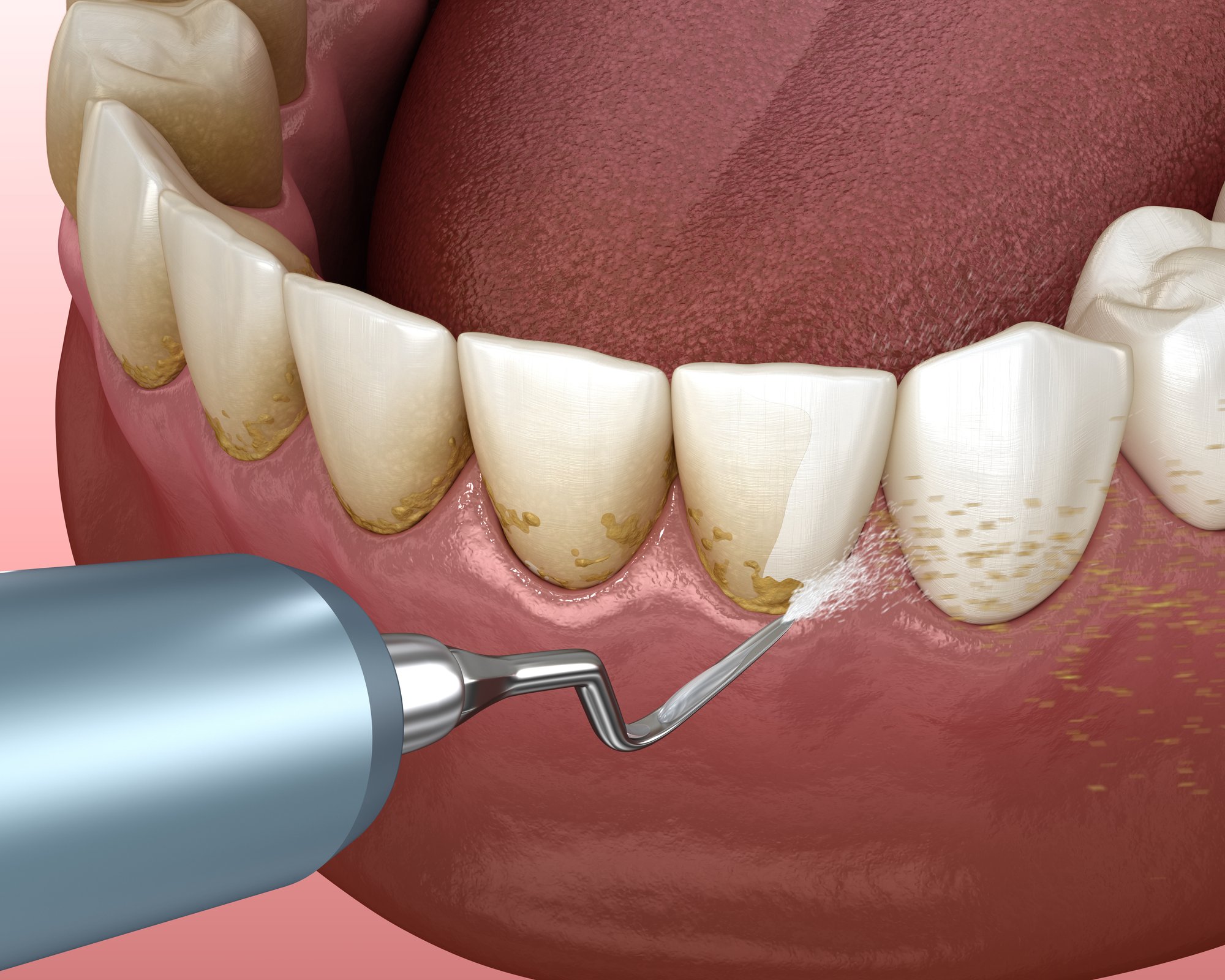
A deep cleaning treats gum disease at its source. Also called scaling and root planing, it removes plaque and tartar from below the gumline and smooths the tooth roots so the gums can heal. This teeth scaling reaches buildup that a regular cleaning cannot. For smokers, who face a higher risk, this treatment is often the key first step. More frequent cleanings afterward help keep the gums stable. The area is numbed, so the treatment is comfortable, and it usually takes one or two visits. Healing may be slower for smokers, but the cleaning still makes a big difference.
What Else Can Smokers Do?
Good habits go a long way for smokers. Brush twice a day, floss daily, and see a dentist more often to catch problems early. Cutting back or quitting smoking is the single best step for your gums. Prompt gum disease treatment, followed by regular maintenance, keeps things from getting worse. A dentist can build a plan that fits your needs and your risk. Even small steps, like fewer cigarettes, protect your gums.
Frequently Asked Questions
Will my teeth get better if I quit smoking?
Quitting lowers your risk of gum disease and tooth loss over time, and it helps your gums heal better after treatment. It is one of the best things you can do for your mouth.
Does smoking really hide gum disease?
Yes. Nicotine reduces bleeding, which is an early warning sign, so gum disease can advance with fewer symptoms. Regular checkups help catch it.
How often should smokers see a dentist?
Many smokers do best with cleanings every three to four months. A dentist can set the right schedule based on your gum health.
Protecting Your Smile From Smoking
Smoking affects your teeth and gums in ways you can see and ways you cannot, from stains to hidden gum disease. It doubles the risk of gum disease, slows healing, and can lead to tooth loss. A deep cleaning treats the gum problems smoking causes, and regular care helps keep them in check. Cutting back or quitting, paired with good dental care, is the best way to protect your smile. Your gums can recover a lot of ground once the smoking slows, and it is never too late to help your mouth.
- If you want to learn more about how smoking affects your teeth and gums, visit our Deep Cleaning in Fullerton, CA, page or schedule a consultation.